



chair on wheels
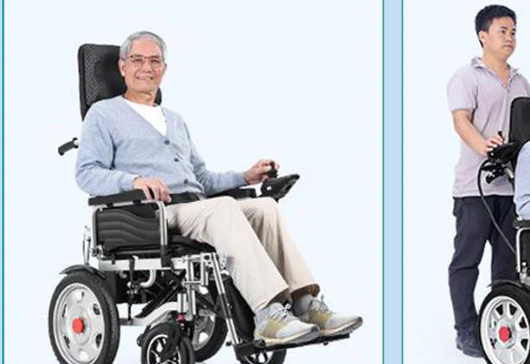
Wheeled Chairs: A Revolutionary Design for Mobility Efficiency
Wheeled chairs have long transcended the concept of traditional seating to become indispensable efficiency tools in modern work and living spaces. chair on wheels From offices to operating rooms, classrooms to workshops, this seemingly simple design innovation—adding wheels to chairs—has profoundly transformed how people interact with their work environments.
Core Value: Balancing Mobility and Efficiency
The true advantage of wheeled chairs lies in reducing non-productive movements. Studies show that the average office worker moves between workstations over 50 times a day, and wheeled chairs cut the time spent on these brief movements by 70%. More importantly, they allow for minor positional adjustments—accessing documents, answering calls, or collaborating with colleagues without standing up. chair on wheels The cumulative effect of these small movements significantly boosts overall daily work comfort and efficiency.
Design Evolution: From Universal to Specialized
Office Chairs: Merging Ergonomics and Mobility
Wheel design for modern office chairs has become highly specialized:
Hard wheels: Ideal for carpets, with low rolling resistance
Soft PU wheels: For hard floors, quiet and protective of surfaces
Dual-wheel systems: Offer optimal stability for jobs requiring frequent turning
Specialized Designs for Professional Fields
Medical chairs: Antibacterial materials, lockable wheels, and easy-to-clean surfaces
Laboratory chairs: Chemical-resistant and static-free designs
Workshop chairs: Heavy-duty load capacity and oil-resistant materials
Salon chairs: Hydraulic height adjustment and 360° rotation
The Science Behind Wheels
Material Innovation
Modern chair wheels use a variety of composite materials:
Polyurethane (PU) wheels: Quiet, mark-free, and durable
Nylon wheels: High load-bearing capacity and cost-effective
Rubber wheels: Excellent shock absorption for uneven surfaces
Composite wheels: Optimized for special environments
Bearing Technology
Standard bearings: Economical choice
Ball bearings: Smooth and quiet, common in offices
Sealed bearings: Dust and dirt resistant, suitable for industrial settings
Wisdom in Selection: Matching Environment and Needs
Three key factors to consider when choosing a wheeled chair:
Floor Type
Hard floors: Choose soft wheels to protect surfaces and reduce noise
Carpets: Medium-hardness wheels to prevent sinking into fibers
Uneven floors: Large-diameter wheels for better passability
Usage Intensity
Light use: Standard wheels suffice
High-intensity use: Heavy-duty wheels and reinforced bearings required
Special environments: Consider anti-static, chemical-resistant properties, etc.
Safety Requirements
Locking function: Critical when fixed positioning is needed
Brake system: Essential for sloped areas or precision work
Anti-tip design: Especially important for height-adjustable chairs
Maintenance Tips
Regular cleaning: Remove hair and fibers tangled in wheels
Wear inspection: Uneven wear may indicate chair imbalance
Lubrication: Lubricate bearings as recommended by the manufacturer
Timely replacement: chair on wheels Damaged wheels compromise stability and floor protection
Future Trends
Wheeled chairs are becoming smarter:
Pressure-sensing wheels: Monitor sitting posture and movement habits
Auto-return: Automatically return to charging positions after work
Energy harvesting: Convert kinetic energy from movement into charging power
Environment adaptation: Automatically adjust wheel resistance for different floor types
The Power of Simplicity
The simplicity of wheeled chairs is precisely what makes them revolutionary—they solve long-standing efficiency and comfort challenges in work environments with a simple yet elegant solution. chair on wheels They remind us that sometimes the most impactful innovations are not complex technological breakthroughs, but profound understanding and clever resolution of daily pain points.
In the gentle roll of wheels lies improved efficiency, enhanced comfort, and a redefined use of space. This is perhaps the essence of good design: barely noticeable, yet everywhere improving our daily experiences.