



barbie wheel chair
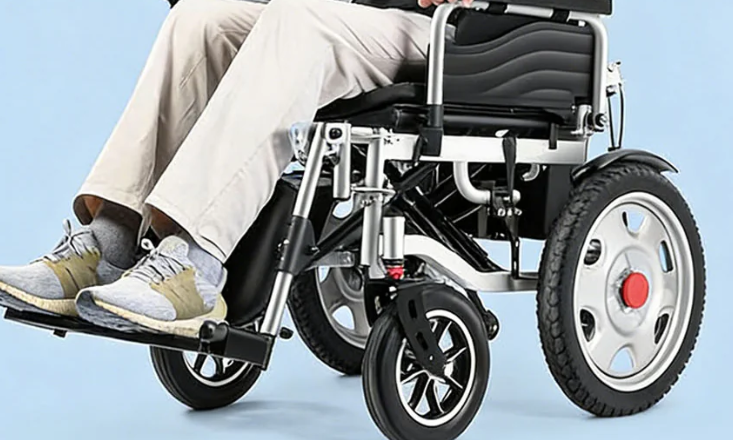
Barbie Wheelchair: Conveying Values of Inclusion and Diversity Through Toys
In 2019, Mattel launched a landmark toy—the Barbie in a Wheelchair. This move not only enriched the diversity of the Barbie line but also sparked widespread global discussions about disability visibility, children’s cognitive development, and social inclusion. As the first product in the history of "fashion dolls" to officially incorporate the image of a wheelchair user, this Barbie wheelchair doll is far more than a toy; it is a gentle yet firm social advocacy: every child deserves to see themselves reflected in their toys.
Why Does Barbie Need a Wheelchair?barbie wheel chair For a long time, most dolls in the mainstream toy market have presented "flawless" physical images—able-bodied, well-proportioned, and freely mobile. For children with disabilities, this narrow aesthetic subtly conveys a message: "You are different, and you don’t belong here."
The reality is that over 1 billion people worldwide live with some form of disability, among whom millions of children use wheelchairs, walkers, or prosthetics every day. They also love dressing up, fantasizing, and pretending to be doctors, astronauts, or teachers—only their hero stories include a wheelchair.
Mattel’s launch of the Wheelchair Barbie was a response to this long-neglected need. As stated in its official announcement: "Children learn about the world through dolls. When they see characters like themselves, they feel seen and accepted."
Design Details of the Barbie Wheelchair: Authenticity, Respect, and CareThis Wheelchair Barbie is not simply a regular Barbie "placed" on a wheelchair; instead, barbie wheel chair was developed through in-depth collaboration with the disability community, rehabilitation experts, and families to ensure authenticity and practicality:
Customized Wheelchair: Adopts a modern manual wheelchair design with adjustable footrests, hand rims, and a lightweight frame, with precise proportions;
Clothing Adaptation: Skirt lengths are designed for a seated position to avoid dragging on the ground; some versions feature magnetic clothing for easy wearing and removal;
Diverse Skin Tones and Hairstyles: Subsequent Wheelchair Barbie dolls cover different ethnicities, hair colors, and styles, embodying diversity and inclusion;
Expanded Supporting Scenarios: In 2023, Mattel took a further step by launching a "wheelchair-friendly" Barbie DreamHouse, which includes accessible ramps, wide doorways, and low countertops.
These details send a clear message: disability is not a flaw but part of human diversity.
Social Impact: From Toy Shelves to ValuesSince its launch, the Wheelchair Barbie has received high praise from families with disabilities, educators, and inclusion advocates:
Helping Non-Disabled Children Build Empathy: Through role-playing, children naturally understand that "people who use wheelchairs can also go to school, work, and make friends";
Enhancing Self-Identity in Disabled Children: Many parents have shared that when their children held a Barbie "just like them" for the first time, their eyes sparkled with pride;
Driving Industry Change: Following Barbie, brands like LEGO and Hasbro have successively launched disability-themed toys, forming a positive cycle.
A mother of a child with a spinal cord injury wrote on social media: "She no longer has to ‘pretend’ that Barbie can walk. Now, her Barbie sits with her and goes on adventures together."
Criticisms and Room for ImprovementDespite widespread acclaim, the Wheelchair Barbie has faced some valid criticisms:
The initial wheelchair was non-detachable, limiting play options;
It did not cover more types such as electric wheelchairs or standing wheelchairs;
The price is relatively high, making it unaffordable for some families.
In response, Mattel has continued to improve: a detachable wheelchair version was launched in 2022; in 2024, barbie wheel chair Barbies with prosthetics, albinism, and vitiligo were added to build a more complete "Barbie Fashionistas Inclusive Line."
Advice for Parents and Educators
Proactively Introduce Diverse Dolls: Regardless of whether a child has a disability, homes should have toys with different physical forms to foster equality awareness;
Discuss Differences with an Open Attitude: When a child asks, "Why is she in a wheelchair?" you can simply answer: "Some people walk with their legs, and some move with wheelchairs—wheelchairs make them faster and freer."
Support Inclusive Brands: Choose toys from brands that value diversity, barbie wheel chair and use consumer votes to drive industry change.
Conclusion: Small Doll, Big Meaning
- PRE:chair transfer
- NEXT:chair on wheels