



lightweight folding wheelchair
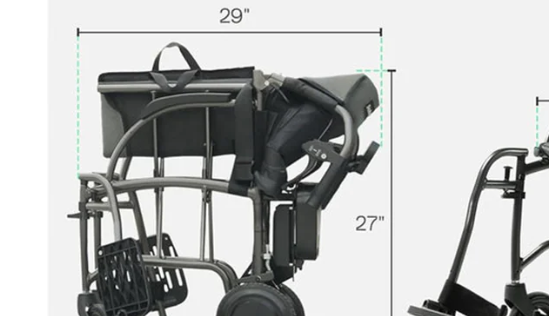
Lightweight Folding Wheelchairs: An Exquisite Solution for Mobility FreedomLightweight folding wheelchairs represent the perfect combination of modern materials science and ergonomics, elevating portability and functionality to new heights. These wheelchairs not only feature significantly reduced weight but also achieve quick folding through sophisticated design, providing users with unprecedented travel flexibility.
Core Advantages: Liberating Life from Limitations
Traditional wheelchairs typically weigh over 35 pounds, while lightweight folding models can be reduced to the 15–25 pound range. This seemingly simple numerical change has far-reaching impacts: women or the elderly can easily carry them, air travel is no longer plagued by equipment weight restrictions, and loading into cars becomes simple and convenient. More importantly, it allows users to manage the equipment independently, reducing reliance on others and enhancing life autonomy.
Material Evolution: From Steel to Titanium
The breakthrough in lightweight design began with material innovation. Modern lightweight wheelchairs primarily use:
Aluminum alloy: A mainstream choice balancing weight, strength, and cost
Titanium alloy: Used in high-end models, offering an excellent strength-to-weight ratio and corrosion resistance
Carbon fiber: Applied in competition-grade products for ultimate lightness
These materials, combined with precision processing technology, minimize weight while ensuring structural safety.
Folding Design: The Art of Space Efficiency
The folding mechanism is the core technology of lightweight wheelchairs. Modern designs focus not only on folded dimensions but also on operational convenience:
Horizontal folding: The most common book-style folding, compact and reliable
Vertical folding: Frame-retractable design, suitable for storage in specific spaces
Hybrid folding: Combining the advantages of both to achieve ultimate compactness
Quick release: One-handed operation system to simplify the folding process
High-quality folding mechanisms undergo tens of thousands of tests to ensure precise alignment and stable locking even after long-term use.
Intelligent Details: Lightweight Without Compromise
Lightweight design does not sacrifice functional integrity. Modern lightweight wheelchairs include:
Adjustable components: Leg rests, armrests, and backrests can be personalized
Efficient propulsion system: High-quality bearings and hand rim design reduce energy loss
Comfortable seating: High-density pressure-relief cushions paired with breathable fabrics
Modular design: Wearing parts can be replaced individually to extend overall lifespan
Key Purchasing Points: Match Needs Rather Than Chase Parameters
When choosing a lightweight folding wheelchair, comprehensive consideration is required:
Practical usage scenarios: Daily transportation frequency, main means of transportation, storage space
User capabilities: Independent operation or need for assistance
Body fit: Seat dimensions, support requirements, propulsion method
Long-term value: Durability, maintenance costs, upgrade possibilities
Future Directions: Smarter Lightweight Design
The new generation of lightweight wheelchairs is integrating more intelligent elements: integrated sensors to monitor usage status, smart materials to provide adaptive support, and modular design to allow personalized configuration. Meanwhile, the concept of environmental protection is driving the development of renewable materials and circular manufacturing models.
Summary: Redefining Possibilities
Lightweight folding wheelchairs not only reduce physical weight but also ease psychological burdens. They transform mobility aids from “medical equipment that needs management” into “daily tools ready for use at any time.” When a wheelchair can be easily folded into a car trunk, airplane luggage compartment, or apartment corner, the user’s life radius and spontaneity are substantially expanded.
Behind the engineering details, the true value of lightweight folding wheelchair lies in the freedom they provide—the freedom to set off at any time, the freedom of independent management, and the freedom to integrate into the environment. This is not only technological progress but also an improvement in quality of life: allowing equipment to adapt to life, rather than life adapting to equipment.