



wheel chair assistance in airport
Airport Wheelchair Assistance Service: Making Every Flight Safe, Smooth, and Dignified
For many people, taking a flight is a long-awaited journey; but for passengers with reduced mobility—whether the elderly, those recovering from surgery, temporarily injured individuals, or long-term wheelchair users—the complex airport routes, long walking distances, and tight transfer times often bring significant stress. Fortunately, the vast majority of airlines and airports worldwide offer free Wheelchair Assistance at Airports, wheel chair assistance in airport designed to ensure every passenger completes the entire journey from departure to arrival safely, comfortably, and with dignity.
This service is not a "special privilege," but a basic accessibility guarantee in air travel. All passengers in need are entitled to apply, regardless of cabin class, nationality, or whether they hold a disability certificate.
What Does Wheelchair Assistance Include?
After applying for wheelchair assistance, airport ground staff will provide full accompaniment and support throughout your journey:
Check-in Guidance: Staff will greet you with a wheelchair in the departure hall and assist with check-in and baggage check-in;
Security Assistance: Accompany you through security check channels—some airports have priority or dedicated channels to reduce waiting time;
Waiting Lounge Escort: Safely transport you to the boarding gate, and assist with rest or restroom access before boarding;
Priority Boarding: Usually arranged after first-class passengers and before regular passengers; staff will use a narrow "boarding wheelchair" to push you to your cabin seat;
Transfer Connection: If a transfer is needed, a dedicated person will meet you at the arrival gate on time and escort you to the boarding gate of your next flight;
Arrival Service: After the flight lands, staff will meet you at the cabin door, push you to the baggage claim area or designated pick-up point, and return your checked personal wheelchair.
The entire process requires no additional fees, and all service staff are professionally trained to prioritize privacy and respect.
Who Can Apply for This Service?
Wheelchair assistance is available to all passengers who have difficulty walking in the airport, including but not limited to:
Elderly individuals with limited physical strength;
Passengers in recovery from surgery or fractures;
Those with chronic illnesses such as arthritis, heart disease, or multiple sclerosis;
Individuals with visual or cognitive impairments who need guidance;
Those with short-term mobility restrictions (e.g., sprained ankles, strained legs).
Even if you do not use a wheelchair daily, you are eligible to apply if walking becomes strenuous during your trip. No doctor’s note or advance registration of disability status is required—simply submit your request when booking your ticket or before departure.
How to Book Wheelchair Assistance?
The most reliable way is to contact your airline in advance. It is recommended to complete the application when booking your ticket or at least 48 hours before departure, via the following channels:
The "Special Passenger Services" or "Accessible Travel" page on the airline’s official website;
Directly inform customer service of your needs via phone;
Note "wheelchair assistance required" through a travel agency or online booking platform (e.g., Ctrip, Expedia).
Even if you forget to apply in advance, you can still request help on-site at the check-in counter or service desk upon arrival at the airport. However, waiting may be required during peak hours, so advance booking ensures seamless service.
When booking, you may be asked about the level of assistance needed (e.g., whether you can climb stairs unassisted, whether a boarding wheelchair is required). Answering truthfully helps ground staff prepare appropriate equipment.
Important Tips on Personal Wheelchairs
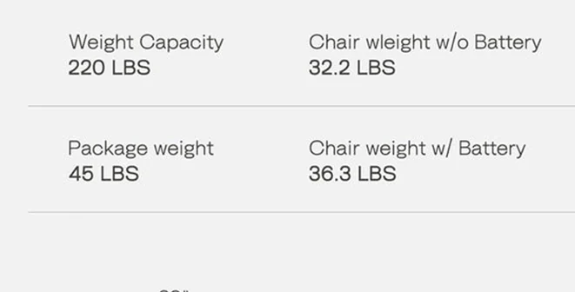
You can bring your own manual or electric wheelchair on board, with free checked baggage. Special attention is required for electric wheelchairs regarding battery type:
Lithium batteries must comply with International Air Transport Association (IATA) regulations, wheel chair assistance in airport usually requiring carry-on or secure attachment to the wheelchair;
Some wet-cell battery wheelchairs require advance declaration and leak-proof measures.
It is recommended to take photos of your wheelchair’s condition before check-in and remove fragile accessories (e.g., cushions, controllers). Upon arrival at your destination, your wheelchair will be delivered to the baggage carousel or returned at the aircraft door.
Warm Tips for a Smoother Journey
Arrive at the airport early: Allow an extra 30–60 minutes compared to regular arrival times to complete the assistance process smoothly;
Save contact information: Note down the airline’s special services hotline for any temporary changes;
Communicate needs clearly: If you require a staff member of the same gender or wish to avoid certain actions (e.g., lifting), please inform staff proactively;
Allow ample transfer time: For international transfers, reserve at least 2 hours to ensure sufficient time for assistance;
Unaccompanied children or elderly: Apply for the "unaccompanied minor/passenger" service simultaneously for more comprehensive care.
Conclusion
The existence of wheelchair assistance services not only solves physical mobility challenges but also conveys deep humanistic care: the right to travel should not be limited by physical conditions. Whether you are planning a wellness trip for yourself or accompanying parents to visit relatives, this service can be a reliable support throughout your journey.
Next time you fly, feel free to voice your needs—because true accessible travel is not just about perfect facilities, wheel chair assistance in airport but also society’s promise of equal participation in the world for everyone. May every flight you take depart smoothly and arrive safely.
- PRE:table wheel chair
- NEXT:NO