



electric wheelchair for rent near me
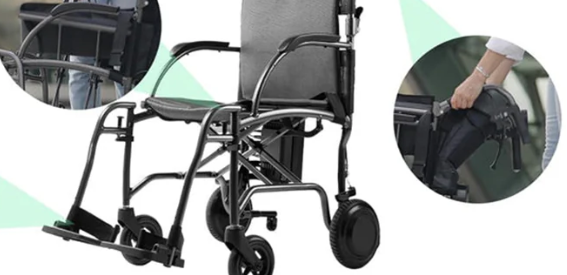
Guide to Electric Wheelchair Rental Near You: A Smart Choice for Temporary Mobility
When you or a family member suddenly needs an electric wheelchair—whether for post-surgery recovery, short-term mobility impairment, electric wheelchair for rent near me travel needs, or trial experience—finding “electric wheelchair rental near me” becomes the most practical option. This guide systematically introduces the entire process of quickly locating reliable rentals, evaluating service quality, and ensuring safe use.
Why Choose Rental? 8 Key Applicable Scenarios
Cost-Effective Solutions for Short-Term Needs
Post-surgery recovery: Rehabilitation support for 4–12 weeks after procedures like hip/knee replacement
Temporary injuries: Short-term mobility limitations from accidents such as fractures or strains
Travel enhancement: Preserving energy and expanding sightseeing range during vacations
Event support: Convenient participation in special occasions like weddings or graduation ceremonies
Wise Choices for Experience and Transition
Pre-purchase trial: Hands-on experience with different models before investing thousands of dollars
Equipment repair period: Temporary replacement while your own wheelchair is being serviced
Gradual adaptation: Transitioning from a manual to an electric wheelchair
Special environment needs: Enhanced equipment for specific terrains (e.g., mountain travel)
5 Channels to Find “Nearby” Rentals
1. Medical Equipment Rental Companies (Most Professional)
These companies specialize in medical equipment rental and typically offer:
Professional assessment: Recommending suitable models based on your physical condition
Door-to-door delivery: Free or low-cost delivery, installation, and basic training
Maintenance support: Full maintenance and emergency assistance during the rental period
Insurance coordination: Assistance with medical insurance reimbursement processes
How to find: Search for “[Your City] + Medical Equipment Rental” or “[Region] + Wheelchair Rental”
2. Pharmacy Chain Services (Most Convenient)
Some branches of major pharmacy chains (e.g., CVS, Walgreens) offer:
Quick pickup: Usually in-stock for same-day collection
Basic models: Standard electric wheelchairs for general needs
Simplified process: Relatively straightforward procedures for short-term urgent needs
Notes: Limited model selection and less professional support
3. Rehabilitation Center & Hospital Partners (Most Adaptive)
Hospitals typically have partnered rental suppliers:
Medical-grade equipment: Professional devices meeting medical standards
Therapist recommendations: electric wheelchair for rent near me Rehabilitation therapists suggest appropriate configurations based on recovery stage
Seamless transition: Equipment available on discharge day to avoid gaps at home
How to access: Consult your attending physician or hospital discharge planning department
4. Nonprofit Organization Lending Programs (Most Affordable)
Some local charitable organizations provide:
Free or low-cost access: Recycled equipment from donations
Volunteer assistance: Possible delivery and basic training
Community support: Integration into local support networks
Search tips: Inquire with local disability service centers or senior centers
5. Online Sharing Platforms (Emerging Option)
Online platforms similar to “wheelchair sharing”:
Peer-to-peer rental: Short-term rentals directly from individual owners
Diverse selection: Potential access to special models or high-end equipment
Flexible terms: Daily or even hourly pricing
Risk warnings: Carefully verify equipment condition, insurance coverage, and safety certifications
10 Critical Questions to Ask Before Renting
About the Equipment Itself:
“What is the specific model and manufacturing year of this electric wheelchair?”
“Is the battery new? What is the actual range on a full charge?”
“When was the last professional maintenance and disinfection performed?”
“Are all safety features (brakes, alarms, lights) functioning properly?”
About Service Terms:
“What does the rental fee include? (Delivery, installation, training, insurance)”
“What is your response process if the equipment malfunctions?”
“Is there 24/7 emergency support available during nights or weekends?”
“How are fees calculated for early return or extended rental periods?”
About Adaptation and Safety:
“Can a trial be arranged to ensure the equipment fits my body and home environment?”
“Do you provide basic usage training? electric wheelchair for rent near me What does it cover?”
Four-Step Safety Assessment Process
Step 1: On-Site Equipment Inspection
Frame integrity: Check for cracks, rust, or repair traces
Tire condition: Wear level, air pressure (if applicable)
Battery health: Request a full charge demonstration and ask about battery age
Control response: Test all speed settings and steering sensitivity
Step 2: Home Environment Adaptation
Entry access: Measure door width to ensure wheelchair passage
Usage areas: Check turning radius requirements in main activity spaces
Charging convenience: Confirm safe charging locations near power outlets
Storage space: Consider where to store the wheelchair at night or when not in use
Step 3: Personal Adaptation Confirmation
Seat dimensions: Check if width, depth, and backrest height are appropriate
Control method: Ensure joystick, head control, or breath control matches abilities
Transfer safety: Verify if armrest type and footrest height allow safe transfers
Comfort assessment: Evaluate cushion support and backrest angle comfort
Step 4: Document and Insurance Verification
Rental agreement: Read all terms carefully, especially liability allocation
Equipment checklist: Verify all accessories (charger, remote control, etc.)
Insurance certification: Confirm the equipment is insured and understand deductibles
Emergency contacts: Save the 24-hour support phone number
Cost Breakdown and Savings Tips
Typical Cost Components
Basic daily rate: $30–$80/day, varying by equipment level
Weekly discount: Usually, a 7-day rental costs the equivalent of 5 daily rates
Monthly discount: Long-term (monthly) rentals can drop to $400–$800/month
Additional Fees:
Delivery/pickup fee: $25–$100 (based on distance)
Insurance surcharge: $5–$15/day (highly recommended)
Cleaning/disinfection fee: One-time charge by some companies
Hidden Cost Warnings
Excess mileage fee: If special battery range requirements are needed
Damage deductible: Even with insurance, partial repair costs may apply
Late return penalty: High daily fees for unplanned extensions
Accessory loss fee: Chargers, remotes, etc., are priced separately and often exceed expectations
Cost Reduction Strategies
Compare multiple quotes: Prices can vary by over 30% in the same area
Choose off-peak periods: Lower prices outside holidays and weekends
Ask about package discounts: Some companies offer partnerships with hospitals/hotels
Consider used equipment rentals: Some providers offer well-maintained second-hand equipment at lower rates
Check insurance coverage: Your health insurance or credit card may cover part of the rental cost
Special Scenario Rental Strategies
Travel Rental Special Plans
Destination rental: Rent at your travel location to avoid transportation hassle
Airport pickup/drop-off: Some companies offer airport services
Hotel partnership packages: electric wheelchair for rent near me Some hotels collaborate with rental companies
Cross-city return options: Inquire about returning equipment in different cities for multi-city trips
Event-Specific Rentals
Book in advance: Equipment may be in high demand during large events
Venue measurement: Check aisle dimensions at the event location beforehand
Backup battery arrangement: Extra batteries may be needed for all-day events
Weather protection: Ask about rain/sun protection accessories for outdoor events
Trial-Oriented Rentals
Short-term rental of multiple models: Arrange 2–3 day trials of different models
Home environment testing: Ensure maneuverability in all home areas
Daily task simulation: Practice activities like shopping or cooking
Transportation testing: Test loading/unloading and folding/transportation
Safe Usage and Emergency Preparedness
Receive Professional Training
Even if experienced, accept training on:
Equipment features: Each electric wheelchair has unique operational characteristics
Safety feature demonstration: Emergency stop, anti-tip, speed limit functions
Fault identification: Learn to recognize early signs of malfunctions
Emergency response: How to handle battery failures or controller issues
Develop a Personal Safety Protocol
Daily checklist: Brakes, battery level, tire condition
Charging safety rules: Use only original chargers and avoid overcharging
Terrain limitation awareness: Understand slope and step restrictions
Weather adaptation strategies: Adjust usage for rain, high temperatures, etc.
Emergency Contacts
Rental company’s 24-hour support line
Local repair service information
Backup transportation arrangements
List of emergency contacts and equipment details
Post-Rental Smart Choices
Consider Purchase if Satisfied
If the rental experience is positive:
Ask about rental-to-purchase discounts
Inquire about new model pricing and warranties
Consider buying from the same company for ongoing service support
Provide Feedback if Unsatisfied
If the equipment does not meet expectations:
Document issues in detail for future reference
Offer constructive feedback to the rental company
Share objective reviews online to help others decide
Digital Tools to Enhance the Rental Experience
Booking Platforms and Apps
Comparison platforms: Specialized medical equipment rental platforms (e.g., Spry.ly)
Map-integrated search: Use Google Maps to search “wheelchair rental near me” and read reviews
Real-time inventory checks: electric wheelchair for rent near me Some company websites show available equipment
Online video training: Familiarize yourself with basic operations before rental
User Review Systems
Check reviews across multiple platforms (Google, Yelp, professional forums)
Focus on recent reviews (within the last 6 months)
Pay special attention to customer service responsiveness and equipment cleanliness
Seek in-depth experiences from long-term rental users
Community Wisdom: Localized Advice Gathering
Utilize Local Social Networks
Ask for recommendations in local Facebook groups
Get real experiences from Nextdoor or neighborhood platforms
Check notice boards at community centers or senior centers
Consult physical or occupational therapists
Word-of-Mouth Value
Personal experiences from friends, family, or neighbors
Collective wisdom from local support groups
Common hospital rehabilitation department partners
Supplier relationships of long-term care facilities
Conclusion: Temporary Needs, Long-Term Peace of Mind
Electric wheelchair rental services transform temporary mobility support from a “complex challenge” into a “convenient service.” They eliminate the barrier of high purchase costs, allowing more people to access appropriate mobility support when needed.
When you obtain a suitable electric wheelchair through a reliable rental service, you gain not just the equipment itself, but also temporary freedom assurance—the ability to continue participating in life, the dignity of independence, and the confidence to recover or experience life at your own pace.
Remember, the best rental experience comes from thorough pre-research, clear communication, and realistic expectation management. electric wheelchair for rent near me Taking the time to find the right supplier, inspect the equipment carefully, and learn to use it properly will all translate into a safer, more comfortable, and more enjoyable rental experience.
Whether your need is for days, weeks, or months, the right electric wheelchair rental can be a positive support in your life. During this temporary journey, let professional equipment and services accompany you until you regain full mobility freedom or find a permanent solution. This is the core value of modern rental services: providing support when needed and stepping back quietly as you move forward.