



reclining power lift chair
Power Lift Recliner: The Perfect Fusion of Comfort, Safety, and Independence
The power lift recliner represents the culmination of modern home care technology, ingeniously blending the precision of medical equipment, the comfort of home furniture, and the convenience of smart technology. reclining power lift chair It serves as a safe, comfortable "personal care station" for the elderly, post-operative recoverers, and individuals requiring long-term sitting and lying support.
Design Philosophy: From Assistance to Empowerment
Traditional recliners and lift chairs separately meet the needs of rest and standing up, while the power lift recliner combines both into one. Its core design concept is "achieving independence in comfort". It not only helps users stand up but also provides complete bodily support and posture optimization throughout the process.
Integration of Three Core Functions
Lift Assistance: Smoothly elevates users from a seated position to a posture that facilitates standing
Posture Adjustment: Enables stepless adjustment from an upright position to nearly flat (typically 140-170 degrees)
Health Support: Distributes body pressure through scientific angles to promote circulation
Core Technology Analysis
Lift System: Steady Power
Modern power lift recliners adopt a dual-motor independent control system:
Lift Motor: Usually located at the front of the base, providing stable lifting power
Reclining Motor: Controls angle changes of the back and leg supports
Synchronized Coordination: High-end models achieve intelligent linkage between lifting and angle adjustment
Safety Features:
Slow start and stop design to avoid discomfort from sudden movements
Overload protection that automatically stops when resistance is encountered
Emergency manual override function for adjustment during power outages
Low-noise design, typically below 40 decibels
Ergonomic Design
Zero-Gravity Position:
Drawing inspiration from astronauts’ posture during launch, reclining power lift chair it elevates the legs above heart level, effectively distributing spinal pressure and reducing cardiac strain. This position is particularly suitable for:
Relieving chronic back pain
Managing leg edema
Improving breathing (especially important for COPD patients)
Pressure Sore Prevention Design:
Zone-density foam for enhanced support in the ischial region
Breathable fabrics to reduce heat and moisture buildup
Removable, washable seat covers for easy hygiene maintenance
Smart Control Interface
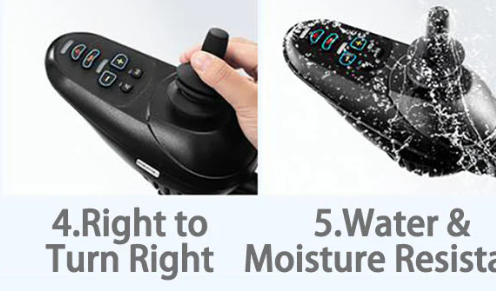
Handheld Remote Control: Large, clear buttons with backlighting for one-touch access to preset positions
Mobile App Control: Supported by some models, allowing usage habit recording and remote assistance from family members
Voice Control: Integrated into high-end models, enabling posture adjustment via simple voice commands
Memory Function: Stores 2-4 frequently used positions (e.g., watching TV, reading, fully reclined)
Health Benefits: Value Beyond Comfort
Circulatory System Support
Reduces edema by elevating legs to promote venous return
Improves blood pressure through gradual angle changes to adapt to blood pressure regulation
Prevents deep vein thrombosis (especially crucial for individuals with limited mobility)
Musculoskeletal Protection
Safe standing: Reduces pressure on knees and hips by over 70%
Posture decompression: Avoids chronic pain caused by poor sitting posture
Transfer assistance: Provides a safe fulcrum for caregivers to assist
Respiratory and Digestive Promotion
Optimized breathing angles: Specific tilt angles expand thoracic capacity
Gastroesophageal reflux management: Maintaining a certain angle reduces the risk of nighttime reflux
Comfortable coughing posture: Offers an ideal body position for airway clearance
Purchasing Guide: Wisdom in Matching Needs
Size Considerations
Seat Width: 2-4 inches (5-10 cm) wider than the user’s hips
Seat Depth: 2-3 finger widths between the back of the knees and the seat edge when seated
Back Height: Should fully support the entire back
Overall Dimensions: Consider room layout and passage space
Function Prioritization
Choose based on primary usage purposes:
Primary focus on standing assistance: Prioritize lift smoothness and maximum height
Primary focus on long-term rest: Prioritize reclining angle range and seat cushion comfort
Primary focus on health management: Prioritize professionalism of specific medical functions
Multi-purpose comprehensive needs: Select full-function models, paying attention to operational simplicity
Motor and Power
Number of Motors: Single motor for economy, dual motors for flexibility, reclining power lift chair triple motors (adding independent lumbar adjustment) for high-end models
Power Requirements: Standard household outlets suffice; backup battery options are worth considering
Power Consumption: Daily use has minimal impact on electricity bills (similar to small household appliances)
Usage Scenarios: Integration into Daily Life
Core of Home Care
Independent Living Support: Allows users to adjust posture independently without assistance
Safe Rest Environment: Reduces the risk of transferring from ordinary chairs to beds
Day-Night Continuity: Can be used for daytime rest and nighttime sleep in the same chair
Special Needs Adaptation
Alzheimer’s Care: Reduces anxiety and wandering through comfort
Palliative Care Support: Provides continuous physical comfort and dignity
Post-Operative Recovery: Enables safe rehabilitation posture management at home
In-Depth Analysis of Safety Features
Multiple Protection Systems
Anti-pinch design: All moving parts have contact sensors or mechanical barriers
Tip-over protection: Low center of gravity design and non-slip base
Child safety lock: Prevents accidental operation by children
Timed reminders: Alerts users to change posture regularly
Emergency Response
Manual operation training: Both users and family should practice usage during power outages
Quick-release mechanism: Allows rapid adjustment of the chair to a specific position in emergencies
Emergency contact information: It is recommended to attach important contact numbers to the remote control
Maintenance and Care
Daily Maintenance
Surface Cleaning: Use appropriate cleaners based on fabric type
Mechanical Inspection: Check all moving parts for smooth operation monthly
Remote Control Inspection: Replace batteries regularly and keep contact points clean
Professional Services
Annual Inspection: Have motors and mechanical structures inspected by professional technicians
Software Updates: Smart models may require regular firmware updates
Warranty Utilization: Understand warranty coverage and procedures, and register the product in a timely manner
Cost-Benefit Analysis
Initial Investment
Power lift recliners have a wide price range:
Basic Models: $800-$1,200, meeting basic lifting and tilting needs
Mid-Range Models: $1,200-$2,000, adding memory functions and better materials
High-End Models: $2,000-$4,000+, with full functions, smart control, and medical-grade features
Long-Term Value
Medical Cost Savings: Preventing falls can save tens of thousands of dollars in medical expenses
Care Cost Reduction: Reduces the frequency and intensity of required assistance
Quality of Life Improvement: Immeasurable value in comfort and independence
Durability Returns: High-quality products can last 5-10 years, resulting in low annual amortized cost
Insurance and Subsidies
Health Insurance: May be covered by some insurance plans if medically necessary
Long-Term Care Insurance: Typically includes such equipment
Veterans’ Benefits: Eligible veterans may receive subsidies
Tax Deductions: May qualify for tax benefits as a medical device
Future Trends: Smarter Care Partners
Health Monitoring Integration
The next generation of power lift recliners may integrate:
Vital sign monitoring: Heart rate, respiratory rate, blood oxygen detection
Pressure distribution sensing: Smart reminders to prevent pressure sores
Activity pattern analysis: Identifies abnormal patterns and issues alerts
Smart Home Integration
Environmental control: Links with smart home systems for lighting, temperature, curtains, etc.
Remote care: Allows family members or medical staff to remotely monitor usage
Voice ecosystem: Deep integration with mainstream smart assistants
Personalized Adaptation
Learns user habits: Automatically adjusts to frequently used positions
Biometric identification: Recognizes different users and loads their personalized settings
Predictive adjustment: Infers user needs based on time and activity
Cultural Significance: A Modern Symbol of Dignity and Independence
The power lift recliner transcends its physical functions to become a symbol of the shift in societal attitudes toward aging and disability:
From Passive Care to Active Support
Traditional care equipment emphasizes "care", while modern lift recliners emphasize "supporting independence". reclining power lift chair This shift reflects a more respectful and empowering social philosophy.
Redefining the Home Environment
Such products allow professional care functions to be elegantly integrated into the home environment, breaking down the boundaries between "medical equipment" and "home furniture", so care no longer requires sacrificing quality of life or home aesthetics.
Promotion of Social Participation
By providing safe and comfortable rest and standing support, power lift recliners help users maintain their ability to participate in society, reducing social isolation caused by physical limitations.
Conclusion: A Revolution of Dignity in Comfort
Choosing a power lift recliner is not just purchasing a piece of furniture or equipment, but investing in a safer, more independent, and more comfortable quality of life. It represents modern technology’s deep concern for individual dignity—recognizing that everyone has the right to manage their physical needs with minimal pain and maximum independence.
In this chair, every smooth lift is an affirmation of independence; every comfortable recline is a respect for physical needs; every independent adjustment is a defense of personal choice. It works quietly, unobtrusively, yet profoundly improves the user’s daily life: making getting up no longer a fear, rest no longer accompanied by discomfort, and daily life no longer full of obstacles.
Ultimately, the best power lift recliner is perhaps the one that is barely noticed—it integrates so naturally into life, provides support so reliably, that the user almost forgets it exists, only remembering the ease of standing up when desired, the comfort of resting when needed, and the freedom of adjusting posture at will. This is the highest realm of excellent assistive technology: not emphasizing differences, but supporting equality; not highlighting limitations, but expanding possibilities; not reminding of deficiencies, but empowering life.
In an era of growing aging populations and increasing demands for quality of life, products like the power lift recliner demonstrate the most compassionate side of technology: not pursuing dazzling innovation, but focusing on practical needs; not creating dependence, but providing support; not replacing humans, but enhancing humanity. In this seemingly simple chair, we see the perfect combination of engineering and humanistic care—and this is perhaps its most enduring value.