



drive wheel chair
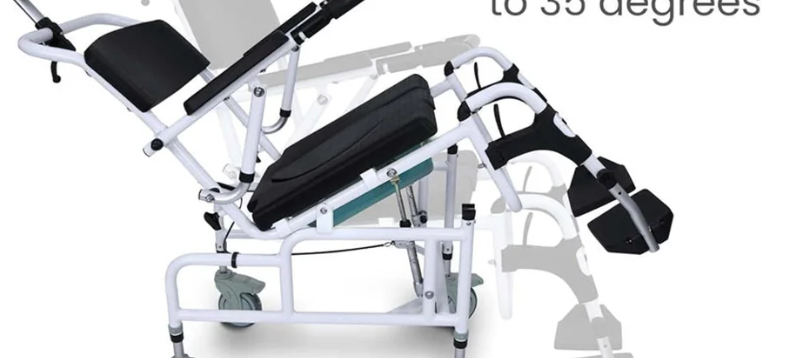
Powered Wheelchair: Master Mobility, Regain Life Autonomy
In the evolution of wheelchair technology, the emergence of powered wheelchairs marks a crucial watershed—a fundamental shift from "being moved" to "moving independently." drive wheel chair These wheelchairs, integrated with drive systems, use electric or hybrid power to return full control to users, transforming not only how they travel but also their lifestyles, social participation, and psychological well-being.
Technological Evolution: From Assistance to Empowerment
Core Drive Types:
Electric Wheelchairs
Rear-wheel drive: Traditional design with a large turning radius, suitable for outdoor use
Mid-wheel drive: Zero turning radius, excellent maneuverability indoors
Front-wheel drive: Strong climbing ability, ideal for complex terrain
All-wheel drive: Omnidirectional adaptability for both indoor and outdoor environments
Intelligent Power-Assisted Wheelchairs
Hybrid power system providing intelligent assistance during manual propulsion
Sensors detect pushing force and deliver proportional electric support
Balances exercise needs with effort reduction
Key Technologies of Modern Drive Systems:
Brushless motor technology: High efficiency, quiet operation, and maintenance-free
Intelligent control systems: Speed adjustment, drive wheel chair slope compensation, and anti-jolt algorithms
Customizable control interfaces: Multiple adaptive solutions (joystick, head control, breath control, eye-tracking, etc.)
Energy recovery system: Automatic charging during downhill travel to extend battery life
Life Transformation: Redefining "Possibility"
Liberation in Daily Life
Independent commuting: Travel to work, shopping, or medical appointments without assistance
Time autonomy: Arrange schedules flexibly, no longer tied to others’ timelines
Freedom at home: Move easily within the household, reducing reliance on caregivers
Reconstruction of Social Participation
Expanded employment options: Improved mobility opens up more career opportunities
Increased social activities: Participate independently in gatherings, cultural events, and community affairs
Enhanced psychological well-being: A sense of control boosts life satisfaction and self-esteem
Optimization of Health Management
Reduced shoulder injuries: Avoids strain from manual propulsion (a common issue with traditional wheelchairs)
Maintained physical function: Appropriate movement prevents prolonged inactivity
Lightened caregiver burden: Improves the quality of family relationships
Personalized Choice: Wisdom to Match Life Needs
Key Evaluation Factors:
Usage environment analysis: Indoor/outdoor ratio, common terrain, and space constraints
Physical function assessment: Upper limb strength, sitting balance, and control ability
Lifestyle needs: Job nature, social frequency, and transportation methods
Long-term considerations: Disease progression expectations and future environmental changes
Modern Functional Configurations:
Adjustable seat systems: Pressure distribution, postural support, and comfort optimization
Smart connectivity: Mobile app control, health data monitoring, and emergency call functions
Modular design: Easy upgrades and maintenance to adapt to future needs
Challenges and Breakthroughs: drive wheel chair Frontiers of Technological Development
Current Technical Challenges:
Balancing battery life and fast charging
Stability and safety on complex terrain
Contradiction between cost control and insurance coverage
Reconciling intelligence with usability
Innovative Development Directions:
AI navigation: Environmental recognition and autonomous obstacle avoidance
Brain-computer interface control: New possibilities for individuals with severe disabilities
Lightweight material application: Popularization of carbon fiber and other advanced materials
Public facility integration: Seamless connection with smart city systems
Social Significance: Profound Value Beyond a Tool
Advancements in powered wheelchair technology reflect a deepening societal understanding of "accessibility"—from simple ramp construction to comprehensive support for personal mobility autonomy. drive wheel chair Each technological breakthrough means more people can:
Decide where to go independently
Choose when to start their journey
Control how they travel
Participate in social life autonomously
This autonomy is the foundation of dignity and a prerequisite for equal participation.
Future Outlook: A New Chapter in Mobility Intelligence
With progress in the Internet of Things, artificial intelligence, and materials science, powered wheelchairs are evolving from "mobility tools" to "personal mobility platforms." Future wheelchairs will serve not only as transportation but also as health monitoring stations, environmental interaction interfaces, and social connection hubs.
Throughout this evolution, the core value remains unchanged: empowering everyone with the right to independent mobility, so physical limitations no longer define the boundaries of life choices.
Choosing the right powered wheelchair is not just selecting a way to travel—it is choosing a lifestyle: active, autonomous, and full of possibilities. drive wheel chair As the wheels turn, they drive not just mechanical parts, but a person’s control over life, participation in the world, and hope for the future.