



chair wheel replacement
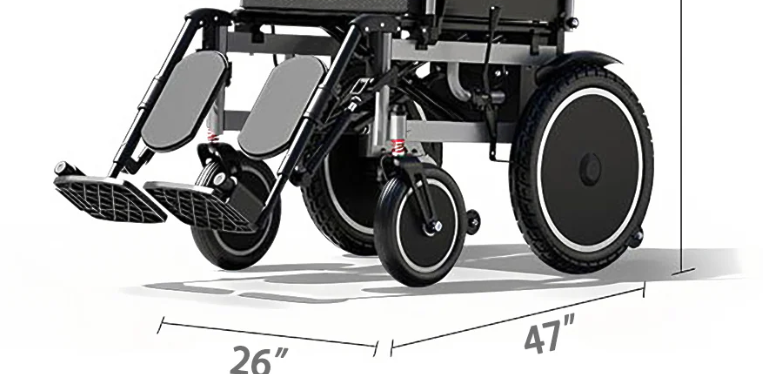
Wheelchair Tire Replacement Guide: Key Maintenance Steps for Safe and Smooth Travel
As the "second pair of legs" for many people, the performance and safety of a wheelchair directly impact the quality of daily life. chair wheel replacement Among all components, tires are the most prone to wear and have the most direct effect on pushing experience. Whether it’s a manual or electric wheelchair, a flat tire, cracks, deformation, or abnormal bearing noise will not only increase pushing resistance but also risk loss of control or even tipping over. Therefore, mastering the basic knowledge of wheelchair tire replacement is a practical skill every user or caregiver should possess.
I. When to Replace Wheelchair Tires?
The following situations indicate it’s time to replace tires:
Pneumatic tires leak repeatedly, patching is ineffective, or inner tubes are aged;
Solid tires are severely worn, cracked, deformed, or have lost elasticity;
Tire surfaces are smooth (no tread), increasing slip risk in rainy weather;
Obvious bumps, increased resistance, or leaning to one side when pushing;
Rim rust, loose wheel hubs, or "clicking" noises from bearings;
Bulges, cuts, or embedded foreign objects that cannot be removed.
Note: Even if tires appear intact, they should be inspected regularly every 2–3 years, especially for frequent users.
II. Common Types of Wheelchair Tires
Before replacement, confirm the type of tire your wheelchair uses:
1. Pneumatic Tires
Advantages: Good shock absorption, easy to push, suitable for uneven outdoor surfaces;
Disadvantages: Prone to punctures, require regular inflation;
Applications: Commonly used for rear (large) wheels, especially self-propelled manual wheelchairs.
2. Solid/Polyurethane Tires
Advantages: Maintenance-free, never flat, long service life;
Disadvantages: Poor shock absorption, slightly harder to push on hard surfaces;
Applications: Mostly used for front casters and full-wheel configurations on some lightweight wheelchairs.
3. Foam-Filled Tires
Features: A middle ground between pneumatic and solid tires—filled with closed-cell foam, no inflation needed but with cushioning;
Advantages: Inflation-free, puncture-resistant, more comfortable than solid tires;
Commonly found on: High-end manual wheelchairs or some electric wheelchairs.
III. Preparation Before Tire Replacement
1. Confirm Tire Specifications
Check the markings on the side of the old tire (e.g., 24" x 1", 8" solid, 600x50) and record the diameter, width, and type. chair wheel replacement If unmarked, measure with a tape measure.
2. Prepare Tools
Hex wrench or regular wrench (for removing axle nuts);
Tire levers (for replacing pneumatic tires);
Lubricant (e.g., silicone grease, to ease installation);
New tire, inner tube (if applicable), and valve core tool.
3. Ensure a Safe Working Environment
Place the wheelchair on a flat surface, engage the brakes, and ask for assistance to secure the frame if necessary.
IV. Replacement Steps (Taking Common Rear Wheels as an Example)
Replacing Solid or Foam-Filled Tires (Usually full wheel replacement):
Loosen the quick-release lever or nut on the rear axle;
Remove the entire wheel from the frame;
If only the tire is removable (some models), use tire levers to pry the old tire off the rim;
Align the new tire with the rim and press it evenly into place (apply a small amount of lubricant to assist);
Reinstall the wheel, tighten the nut or lock the quick-release lever;
Check that the wheel rotates smoothly without wobbling.
Replacing Pneumatic Tires:
Deflate the old tire completely;
Carefully pry one side of the outer tire with a tire lever and remove the inner tube;
Inspect the rim for burrs or foreign objects;
Insert the valve of the new inner tube into the rim hole and gently tuck the inner tube into the outer tire;
Gradually press the outer tire edge back into the rim with tire levers (avoid pinching the inner tube);
Inflate to the recommended pressure (usually marked on the tire side, e.g., 50–70 PSI);
Reinstall the wheel and test rotation and airtightness.
Tip: If unfamiliar with the operation, chair wheel replacement it’s recommended to observe and learn from a professional repair shop for the first time.
V. Tips for Choosing Replacement Tires
Prioritize original or compatible brands (e.g., genuine parts from Schwalbe, Kenda, Pride, Invacare);
For solid tires, choose high-elasticity polyurethane to avoid excessive hardness causing bumps;
For pneumatic tires, select models with a puncture-resistant layer (Kevlar belt) for improved durability;
Electric wheelchair users are advised to choose wide tires or off-road tread for better grip.
VI. Daily Tire Maintenance Tips
Check the pressure of pneumatic tires weekly and maintain the recommended level;
Regularly clean hair and strings from gaps between the rim and bearings;
Avoid prolonged exposure to sunlight or contact with oil to prevent rubber aging;
Avoid rough surfaces with broken glass, sharp stones, etc., when pushing.
Conclusion
Replacing wheelchair tires may seem trivial, but it is crucial to the safety and comfort of every trip. Timely replacement not only extends the overall lifespan of the wheelchair but also reduces physical strain on caregivers and improves the user’s independence and quality of life.