



wheel chair repair rubber on wheel
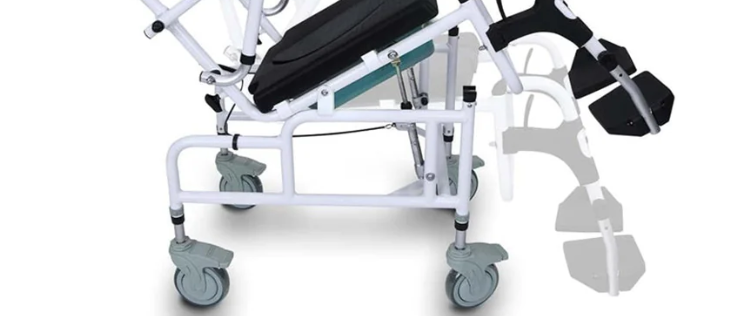
Wheelchair Tire Rubber Repair and Replacement: Safeguarding Every Smooth Journey
The rubber portion of wheelchair tires is a critical component in direct contact with the ground, and its condition directly impacts mobility smoothness, safety, and user experience. wheel chair repair rubber on wheel Whether it’s surface wear on solid tires or accidental punctures on pneumatic tires, timely identification and handling are essential maintenance steps to ensure wheelchair reliability. This article details common issues with tire rubber, practical repair methods, and scientific replacement guidelines.
Understanding Your Wheelchair Tires
Wheelchair tires are primarily categorized into several types:
Solid polyurethane tires: The most common type, made of high-density foam material—maintenance-free and durable;
Traditional pneumatic rubber tires: Offer good shock absorption but require regular pressure checks;
Solid rubber tires: Extremely durable but heavier;
Hybrid tires: Combine a rubber tread with a polyurethane core.
Knowing your tire type is the first step in proper maintenance. Each material has distinct characteristics, expected lifespan, and common issues. Typically, material information and recommended replacement cycles are marked on the tire sidewall or in the user manual.
Identifying Wear and Damage
Tire rubber damage manifests in various forms:
Surface cracks: The most common sign of aging—attention is needed if cracks are dense or deeper than 2mm;
Tread wear (pneumatic tires): Traction and safety drop significantly when tread depth is less than 1.5mm;
Uneven wear: A warning sign—if one side wears much more than the other, the wheelchair may need alignment adjustment;
Rubber hardening: Another aging symptom—when rubber loses elasticity and rebounds slowly after nail pressure, the material has aged;
Structural damage: Such as rubber separating from the wheel hub, large-area peeling, or sidewall damage on pneumatic tires—these usually cannot be simply repaired and require professional handling or replacement.
Practical Repair Techniques
For small-scale rubber damage, repairs can sometimes extend tire life:
Surface cracks (shallow): Use polyurethane-specific glue. Thoroughly clean the cracked area, gently widen cracks with a awl to increase bonding area, inject glue, secure with clamps, and wait for full curing;
Small-area rubber peeling: Trim damaged edges neatly, cut a matching rubber patch from an old tire, apply rubber-specific glue to both sides, carefully bond when semi-dry, and reinforce the seam;
Pneumatic tire punctures: Follow standard tire repair procedures. Locate and mark the leak, sand the inner tire surface to enhance adhesion, apply a dedicated patch, and inflate to test for sealing. Note: No more than three patches per tire, and patches should not overlap.
These repair methods are mainly for temporary emergencies or minor damage to non-critical areas, wheel chair repair rubber on wheel and cannot replace necessary replacements.
Professional Replacement Timing and Steps
Knowing when to replace tires is crucial:
Replace pneumatic tires if pressure drops by over 20% in 24 hours with no clear leak, or solid tires if diameter decreases by more than 15% due to wear;
Replace any tire with structural separation or large-area damage for safety.
Replacing Solid Tires:
Securely invert the wheelchair and remove the wheel;
Soak the old tire in hot water to soften it before removal, then use a dedicated pry bar carefully to avoid damaging the hub;
Slightly heat the new tire before installation for easier fitting onto the hub;
Ensure the tire is fully seated without twisting or misalignment.
Replacing Pneumatic Tires:
Protect the inner tube—use dedicated lubricant for installation (avoid oily substances);
Inflate in stages: first to 1/3 pressure to adjust the bead position, then to the recommended pressure (usually marked on the tire sidewall, 35–60 PSI).
Preventive Maintenance to Extend Lifespan
Good daily habits significantly extend tire life:
Pneumatic tires: Weekly pressure checks and maintenance are essential;
Cleaning: Monthly clean tire surfaces with mild soapy water to avoid oil and chemical erosion;
Wear checks: Inspect every six months—rotate front and rear tires if possible to balance wear;
Storage: Avoid direct sunlight and extreme temperatures (accelerate rubber aging);
Environmental adjustments: Slightly reduce pressure in high temperatures to prevent overheating expansion; use special-formula tires or slightly increase pressure in low temperatures.
Safety Notes and Professional Help
Do not attempt self-repair in the following cases: structural layer damage, cracks in the hub connection area, damaged tires on motor-driven wheels, or sidewall damage on pneumatic tires—seek professional assistance. Wheelchairs are vital mobility aids, and safety is always the top priority.
After repair or replacement, conduct systematic tests: 24-hour static test, low-speed driving test, wheel chair repair rubber on wheel gradual load increase test, and turning/braking tests to ensure tire safety and reliability in all situations.
Economic and Environmental Considerations
When choosing between repair and replacement:
Repair is reasonable if costs are significantly lower than a new tire and most performance is restored;
Replace if the tire is near the end of its expected lifespan or damage is in safety-critical areas.
For old tire disposal:
Use environmental options—many regions have recycling programs (deliver to designated points);
Creative reuse: Repurpose old tires as anti-slip mats, garden edging, or other practical items.
Safeguarding Freedom of Movement
Though a small part of the wheelchair, tire rubber bears the user’s safety and independent mobility. Every maintenance extends the freedom to travel; every replacement invests in safety and independence.
Understanding proper tire rubber maintenance reduces the risk of unexpected interruptions and increases opportunities to explore the world. wheel chair repair rubber on wheel When tires are in good condition, the wheelchair truly becomes a reliable life partner, smoothly supporting every journey, social interaction, and independently chosen adventure.
This knowledge and attention ultimately translate to precious autonomy and peace in daily life—on the smoothly rolling wheels lie infinitely extending life paths.